
Duck Migration Patterns
Duck Migration Patterns - Weather events, north winds, moon phases. There are dozens of duck species in north america. Snow buries food or at least makes it less available. Our platform is unique because it showcases the. One species can closely resemble another, and male ducks and female ducks of. Research has provided a wealth. Migration embodies much of what fascinates us about waterfowl. Biologists across north america have researched waterfowl migration patterns and changes for years, and the resulting data paints a fairly clear picture. Ducks either migrate south or change local movement patterns in response to declining open water and food availability. Du projects in migration flyways. Every hour, we capture essential data. Changes in the amounts and types of crops and the trend toward warmer winters are likely enabling waterfowl to winter farther north or, at the least, delaying fall migration. Access the industry’s most current duck flight patterns, enriching your understanding of waterfowl migration across north america. Research has provided a wealth. Ducks and geese follow ancient pathways from their breeding grounds to wintering areas, an epic journey that has amazed mankind for millennia. There are two distinct duck migration patterns: Follow the migration of ducks and geese with migration reports by migration station. But waterfowl are a whole different deal. Ducks either migrate south or change local movement patterns in response to declining open water and food availability. There are dozens of duck species in north america. Waterfowl, including ducks, undertake extensive journeys during their annual migrations. Looking for the latest information on waterfowl migration patterns? Many species of ducks in the upper northern hemisphere are at least partially migratory, leaving their breeding grounds at the end of a typical summer and returning at the start of spring. Weather events, north winds, moon phases. Ducks either migrate. Changes in the amounts and types of crops and the trend toward warmer winters are likely enabling waterfowl to winter farther north or, at the least, delaying fall migration. Biologists across north america have researched waterfowl migration patterns and changes for years, and the resulting data paints a fairly clear picture. With the most advanced and accurate tracking technology, you. In addition to changing weather, and open reservoirs and rivers in the north, the availability of food resources like corn and soybeans are shifting the annual migration. Ducks either migrate south or change local movement patterns in response to declining open water and food availability. Research has provided a wealth. Snow buries food or at least makes it less available.. “to cut to the end, wintering. Ducks either migrate south or change local movement patterns in response to declining open water and food availability. Follow the migration of ducks and geese with migration reports by migration station. In this post, we examine the migration of waterfowl to shed light on their critical role within ecosystems, particularly wetlands. Snow buries food. In addition to changing weather, and open reservoirs and rivers in the north, the availability of food resources like corn and soybeans are shifting the annual migration. Ducks either migrate south or change local movement patterns in response to declining open water and food availability. Ducks either migrate south or change local movement patterns in response to declining open water. In this post, we examine the migration of waterfowl to shed light on their critical role within ecosystems, particularly wetlands. Changes in the amounts and types of crops and the trend toward warmer winters are likely enabling waterfowl to winter farther north or, at the least, delaying fall migration. As these birds navigate waterfowl migration. The importance of waterfowl migration. Access the industry’s most current duck flight patterns, enriching your understanding of waterfowl migration across north america. Many species of ducks in the upper northern hemisphere are at least partially migratory, leaving their breeding grounds at the end of a typical summer and returning at the start of spring. But waterfowl are a whole different deal. Every hour, we capture. But waterfowl are a whole different deal. Every hour, we capture essential data. One for the spring breeding season and another for the fall migration to wintering grounds. Waterfowl migration maps, duck counts, and hunting reports. One species can closely resemble another, and male ducks and female ducks of. Every hour, we capture essential data. Follow the ducks this season using the most comprehensive waterfowl migration map on the web. Migration embodies much of what fascinates us about waterfowl. But waterfowl are a whole different deal. With the most advanced and accurate tracking technology, you can follow waterfowl migration including mallard migration patterns like never before. Follow the migration of ducks and geese with migration reports by migration station. Snow buries food or at least makes it less available. Migration embodies much of what fascinates us about waterfowl. Your ultimate resource for tracking the waterfowl migration throughout the season. Our waterfowl migration database consists of real data, is updated daily, and our applications are 100% interactive. In this post, we examine the migration of waterfowl to shed light on their critical role within ecosystems, particularly wetlands. It compels us to wake up at 4 a.m., slog through the marsh, and set decoys before dawnall in hopes of. With this duck migration blog, you get a fascinating glimpse into the annual journeys undertaken by various duck species. There are dozens of duck species in north america. Our waterfowl migration database consists of real data, is updated daily, and our applications are 100% interactive and 100% free. Ducks either migrate south or change local movement patterns in response to declining open water and food availability. Our platform is unique because it showcases the. One for the spring breeding season and another for the fall migration to wintering grounds. Snow buries food or at least makes it less available. One species can closely resemble another, and male ducks and female ducks of. Biologists across north america have researched waterfowl migration patterns and changes for years, and the resulting data paints a fairly clear picture. Waterfowl, including ducks, undertake extensive journeys during their annual migrations. Ducks either migrate south or change local movement patterns in response to declining open water and food availability. Many species of ducks in the upper northern hemisphere are at least partially migratory, leaving their breeding grounds at the end of a typical summer and returning at the start of spring. Changes in the amounts and types of crops and the trend toward warmer winters are likely enabling waterfowl to winter farther north or, at the least, delaying fall migration. Snow buries food or at least makes it less available.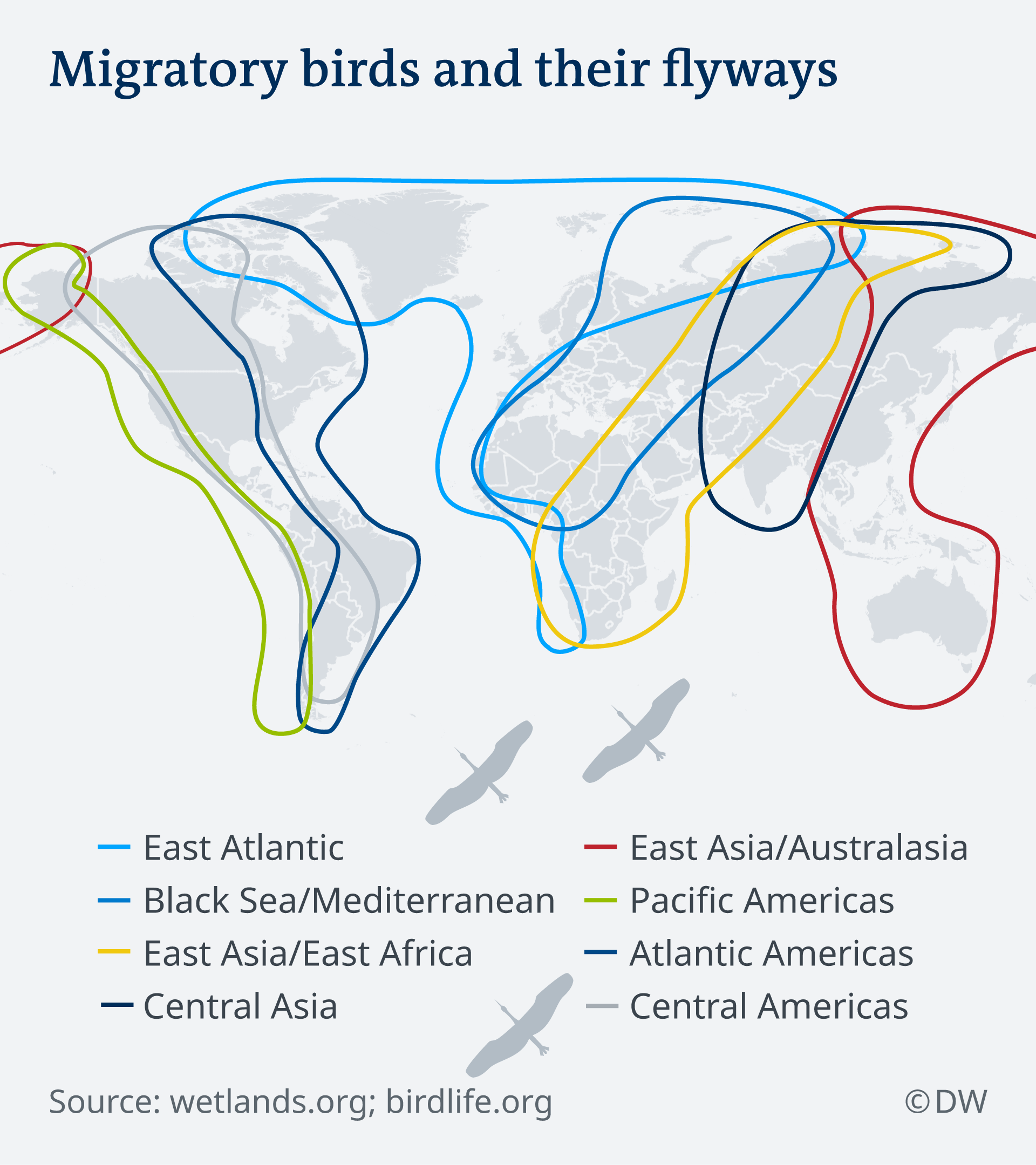
The science of migratory birds Science Indepth reporting on science
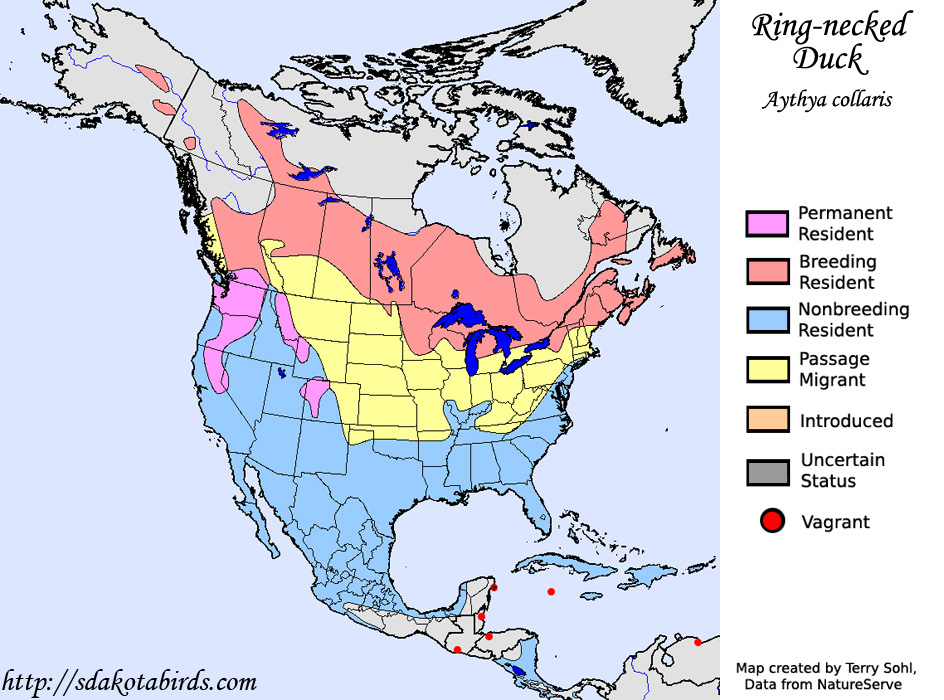
301 Moved Permanently
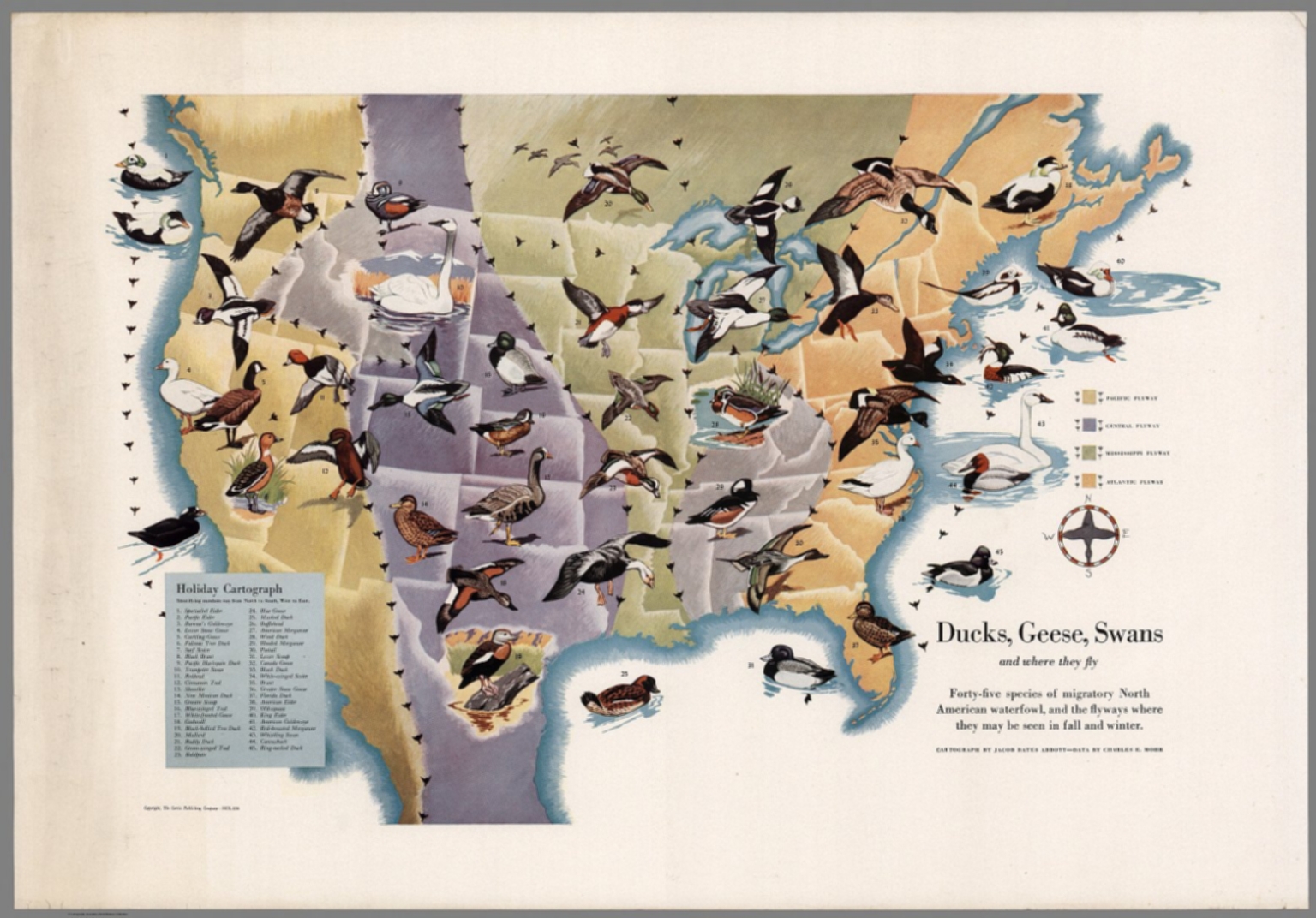
Duck Migration Flyway Map
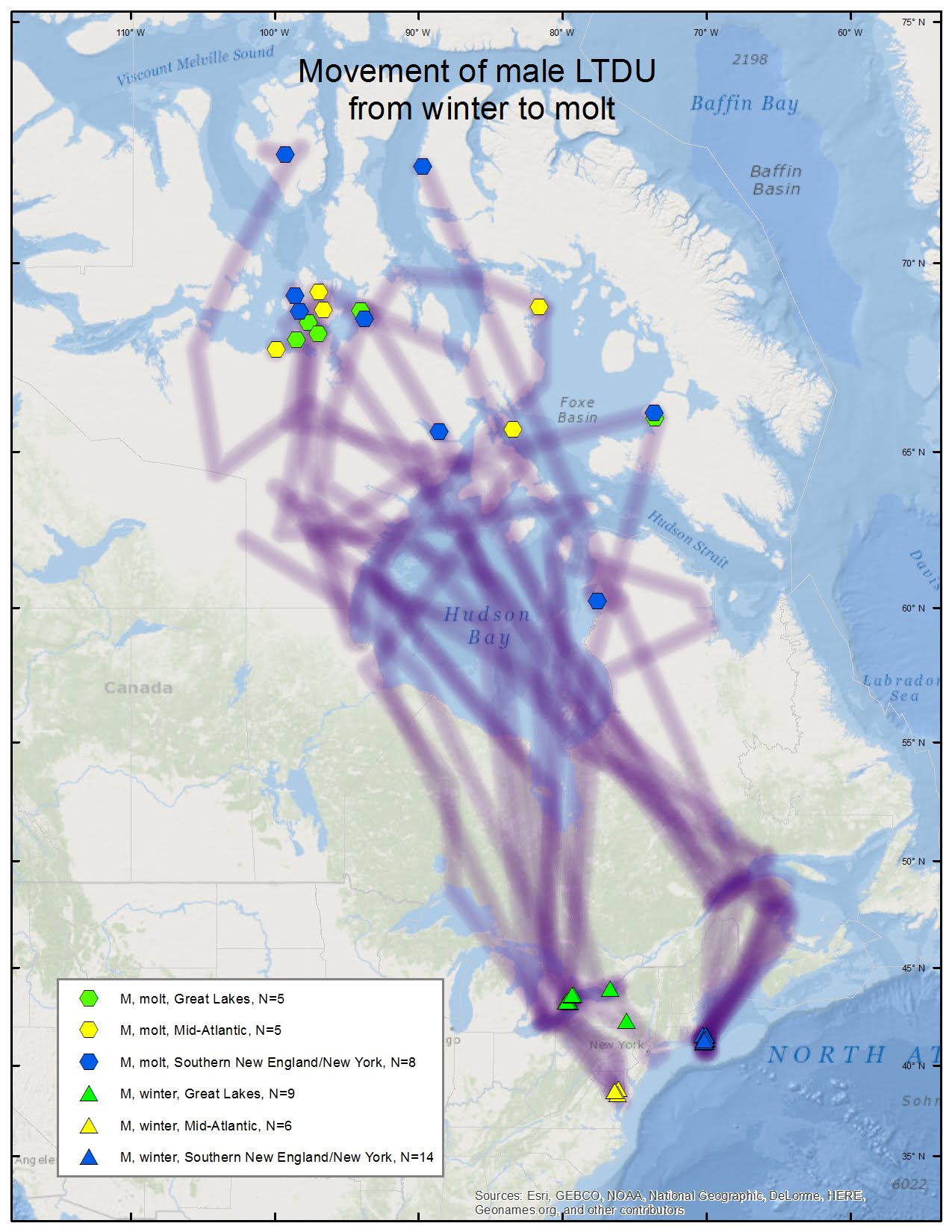
Longtailed Duck migration maps Sea Duck Joint Venture

Ducks Migration Patterns Ducks Are Migrating Late
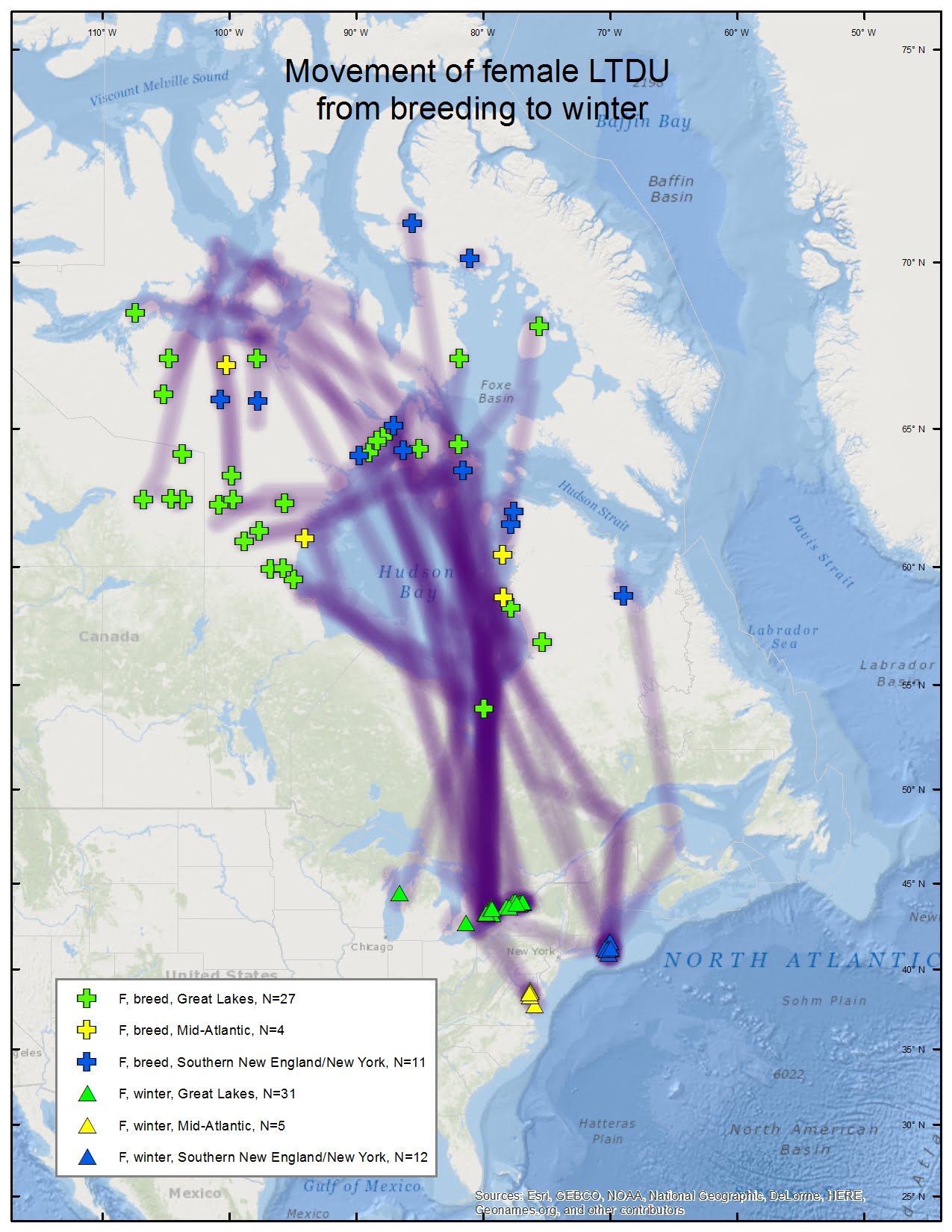
Longtailed Duck migration maps Sea Duck Joint Venture

Ducks Migration Patterns Ducks Are Migrating Late
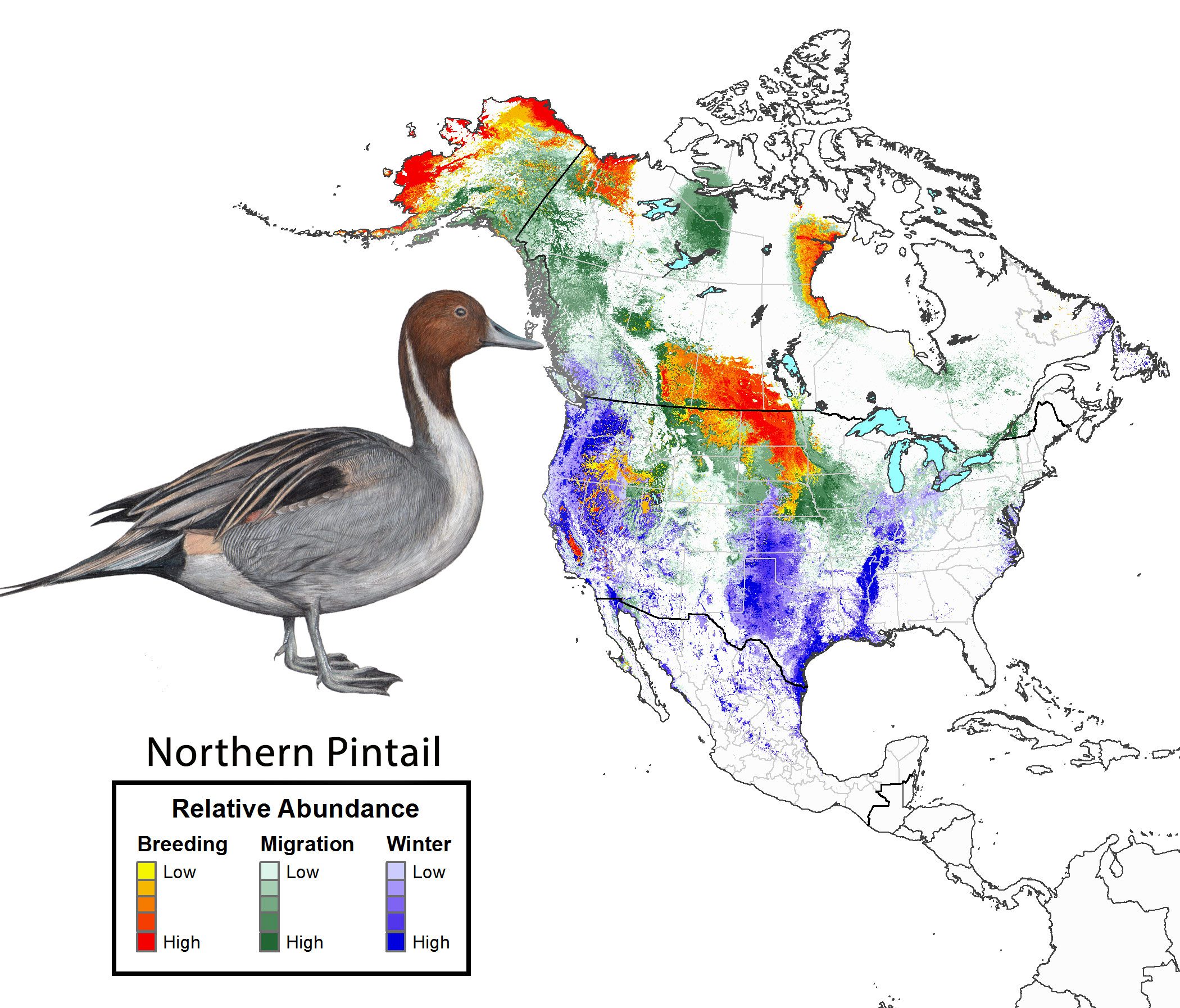
Northern Pintail State of North America's Birds 2016

Migration Ruddy Duck Site
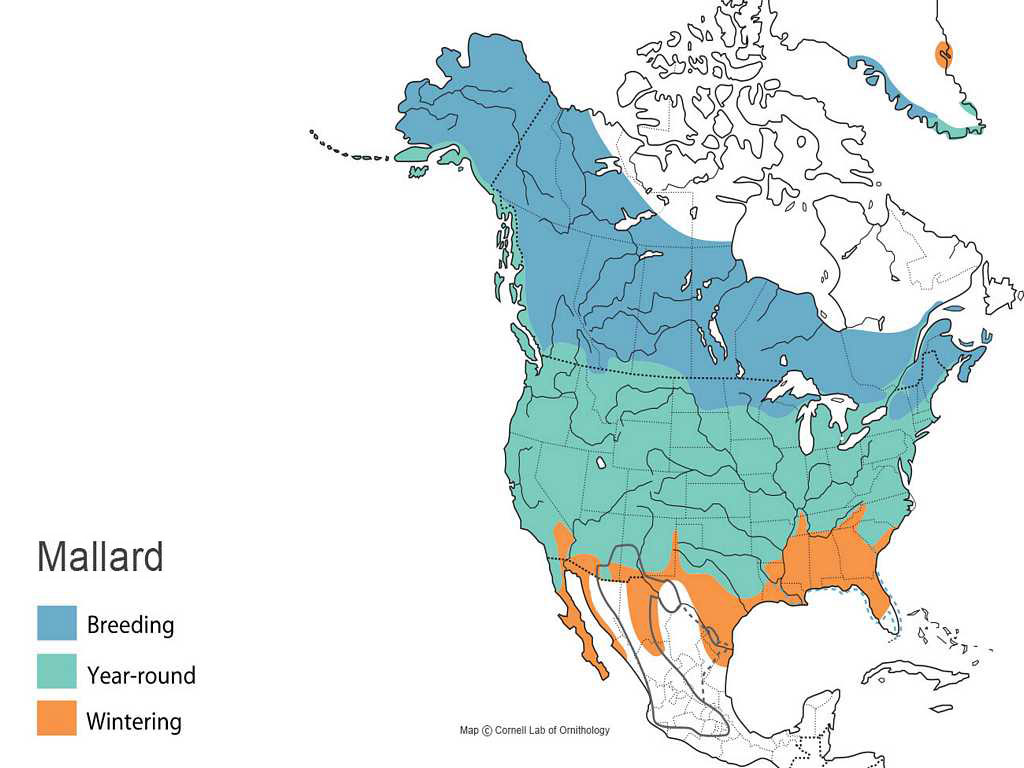
Mallard Types of Ducks & Geese
“To Cut To The End, Wintering.
At 50 Ducks, We Provide Birdwatchers, Birders, Conservationists, Educators, And Students With The Ultimate Duck And Waterfowl Migration Maps.
Ducks And Geese Follow Ancient Pathways From Their Breeding Grounds To Wintering Areas, An Epic Journey That Has Amazed Mankind For Millennia.
These Migrations, Driven By Weather Patterns,.
Related Post: