
Pattern In Ceramics
Pattern In Ceramics - Crafting a decorative piece with coiling method. Carving geometric patterns into pottery can be a challenge. Web nerikomi, a ceramic technique for colored porcelain, is a unique fusion of color, pattern and form. Look around your house, your yard, and your kitchen, and you will start to see all kinds of things that can make good textures. Web ceramic floor tile offers a medley of benefits to improve the quality and design of any space. Replicate your favorite shapes with molds. Web ceramics—in the form of bricks, tiles, vessels, and sculptures—have endured for millennia, and the medium continues to be explored today. Sometimes a pattern has a meaning, sometimes it’s merely decorative. In today's post, yoshi fujii shares his secrets for creating gorgeous carved pottery. Web mishima is a technique of inlaying slip, underglaze, or even contrasting clay into the main clay body of the pottery piece. Whether you’re looking for a stunning centerpiece for your dining table or a beautiful vase to display your favorite flowers, italian ceramics have something. A heart chime by melissa glorioso. There are several methods to transfer patterns to a ceramic or clay project. Web there are many ways to get interesting patterns in your clay. Easy ceramic projects with pottery wheel. Web choosing patterns and techniques. Web from the intricate patterns of deruta dinnerware to the vibrant colors of sicilian ceramics, italian pottery is a feast for the eyes, and its beauty is matched only by its functionality. Web nerikomi, a ceramic technique for colored porcelain, is a unique fusion of color, pattern and form. Specifically, pottery refers to items formed of clay and baked in a kiln at a high temperature. Here are 27 of the most exciting and fun slab pottery ideas to get your creative cogs turning. Learn to make pottery forms of all kinds like mugs, cups, vases, plates and platters, pitchers, teapots, and decorative ceramic sculpture. Web choosing patterns and techniques. Web mishima is a technique of inlaying slip, underglaze, or even contrasting clay into the main clay body of the pottery piece. Specifically, pottery refers to items formed of clay and baked in a. Artisans use a punch technique, applying motifs soaked in paint onto the surface of the pottery to create beautiful patterns. Web we have hundreds of classes to help you learn all aspects of pottery and ceramics. Web its intricate patterns and vibrant colors tell a unique story, with each piece carrying cultural significance. Web patterns can be uniquely created or. Many of the patterns in use today are decorative adaptations of specific shapes that once had meaning to both the maker and the user. If your recipient appreciates clean lines and modern aesthetics, create ceramics with bold geometric patterns and shapes. Web working with slabbed clay is very versatile. Look around your house, your yard, and your kitchen, and you. Sometimes a pattern has a meaning, sometimes it’s merely decorative. In today's post, yoshi fujii shares his secrets for creating gorgeous carved pottery. Web ceramic floor tile offers a medley of benefits to improve the quality and design of any space. A heart chime by melissa glorioso. Wheel throwing, hand building, glazing, firing, surface decoration, and more. Web patterns can be uniquely created or copied from others. Many of the patterns in use today are decorative adaptations of specific shapes that once had meaning to both the maker and the user. Easy ceramic projects with pottery wheel. Crafting a decorative piece with coiling method. Wheel throwing, hand building, glazing, firing, surface decoration, and more. Web nerikomi, a ceramic technique for colored porcelain, is a unique fusion of color, pattern and form. A heart chime by melissa glorioso. Lay a printed pattern over the canvas (bisque or greenware) and trace the design with a pencil, pen or stylus. There are several methods to transfer patterns to a ceramic or clay project. Web if you're bored. Size and copy your pattern to fit your item. In today's post, yoshi fujii shares his secrets for creating gorgeous carved pottery. Embrace the beauty of the natural world by incorporating plants, flowers, or other organic elements into your ceramics ideas. Whether you’re looking for a stunning centerpiece for your dining table or a beautiful vase to display your favorite. Web there are a multitude of decorative effects you can create when carving clay, from the slip inlay technique to low relief carving. See more ideas about pottery, clay pottery, ceramic clay. Many of the patterns in use today are decorative adaptations of specific shapes that once had meaning to both the maker and the user. Web its intricate patterns. Web mishima is a technique of inlaying slip, underglaze, or even contrasting clay into the main clay body of the pottery piece. Easy ceramic projects with pottery wheel. The japanese name translates from “neri,” meaning “kneading,” and “komi,” meaning “into”—describing the process: Whether you’re looking for a stunning centerpiece for your dining table or a beautiful vase to display your. Web explore tile patterns & layout designs by location, size, shape & material at the tile shop. From floral motifs symbolizing beauty and growth to geometric designs representing harmony and balance, these pieces of pottery are a great way to appreciate the artistry of polish culture. See more ideas about pottery, clay pottery, ceramic clay. Web mishima is a technique. From floral motifs symbolizing beauty and growth to geometric designs representing harmony and balance, these pieces of pottery are a great way to appreciate the artistry of polish culture. This technique creates extremely fine, intricate design work with hard, sharp edges that can be difficult to. Size and copy your pattern to fit your item. Create your own functional ceramic cup. Here is a detailed overview of 21 of the best ways of adorning your pots. In today's post, yoshi fujii shares his secrets for creating gorgeous carved pottery. The japanese name translates from “neri,” meaning “kneading,” and “komi,” meaning “into”—describing the process: A heart chime by melissa glorioso. Replicate your favorite shapes with molds. Web choosing patterns and techniques. Look around your house, your yard, and your kitchen, and you will start to see all kinds of things that can make good textures. Sometimes a pattern has a meaning, sometimes it’s merely decorative. Web there are a multitude of decorative effects you can create when carving clay, from the slip inlay technique to low relief carving. Web welcome back!today we are joined by the fabulous jane from jane mcewen ceramics. Carving geometric patterns into pottery can be a challenge. Many of the patterns in use today are decorative adaptations of specific shapes that once had meaning to both the maker and the user.
15 Ceramic Ideas to Inspire You

Work in progress Ceramics ideas pottery, Pottery patterns, Pottery art

Carved Surfaces on Ceramics by Sean Roberts Reveal Surprising Streaks
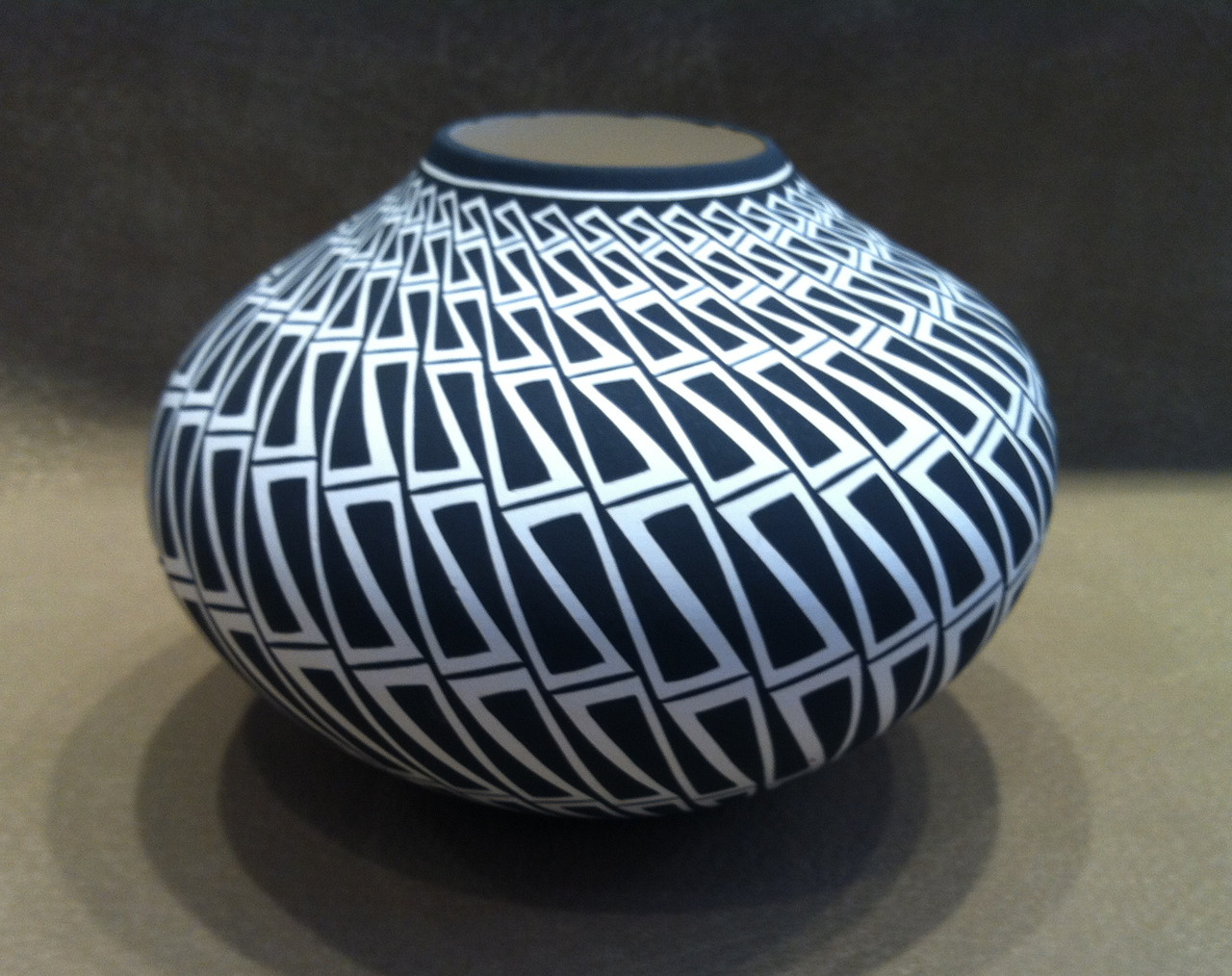
Pottery Black and White Geometric Pattern Design Paula Estevan_1

How To Make Patterns In Ceramics YouTube

Marise Fransolino "Sgraffito Bowl" Velvet Underglaze Sgraffito with HF

Carved Surfaces on Ceramics by Sean Roberts Reveal Surprising Streaks
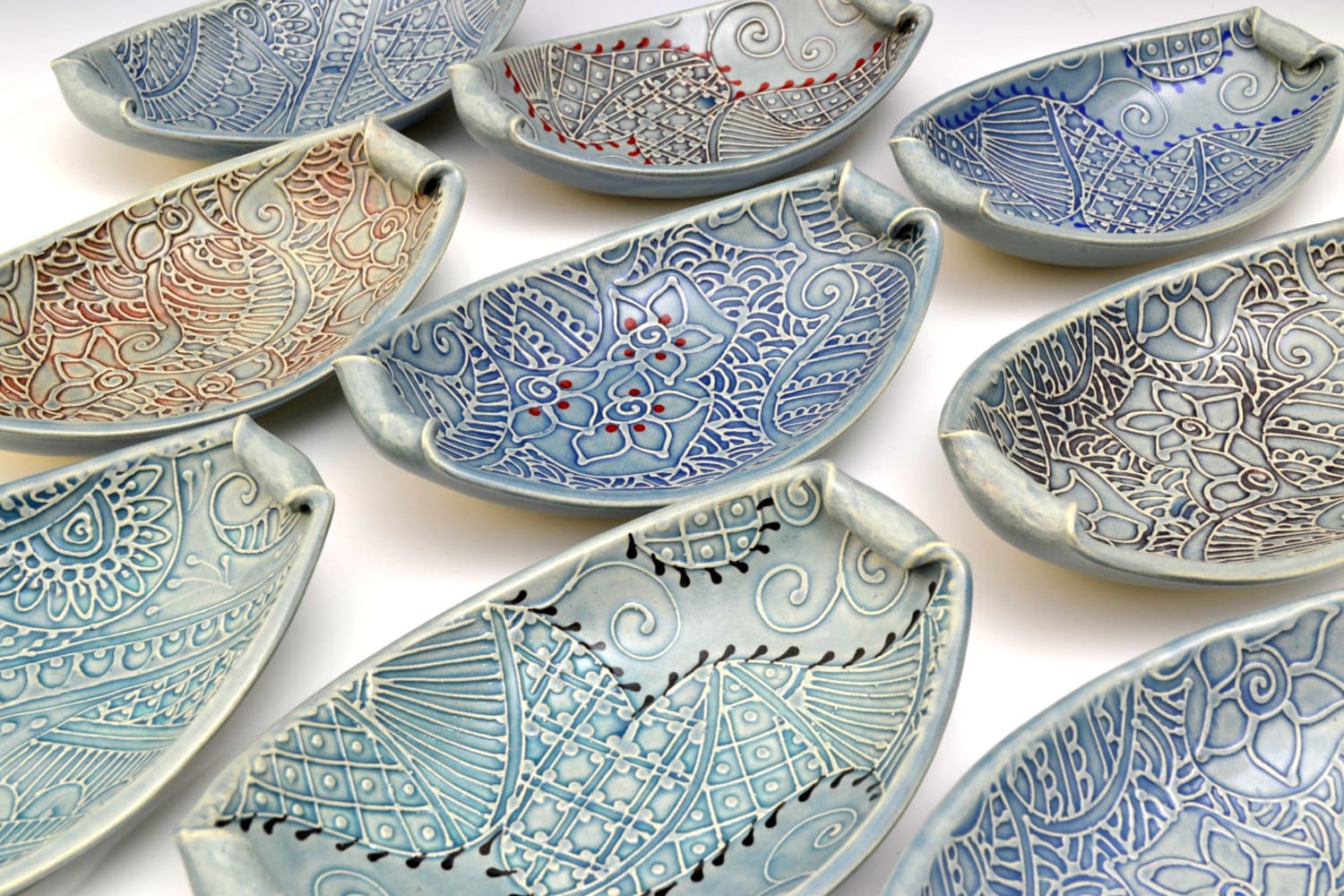
Handmade Ceramic bowls Unique Indian Paisley texture pattern

Ceramic Porcelain Tabletop Vase Collection Set (3 Pcs) with Simple Wave

Sgraffito Cup Sgraffito, Clay pottery, Ceramics pottery art
Pigments Are Mixed Into Wet Clay, Integrating The Color Throughout Rather Than Painting It Onto The Surface.
Web There Are Many Ways To Get Interesting Patterns In Your Clay.
Check Out Our Favorite 15 Ceramic Floor Tile Patterns Here.
Rocks, The Bottom Of Your Shoe, The Wheel Of A Toy Truck, A Meat Tenderizer, A Piece Of Driftwood.
Related Post: