
Satin Weave Pattern
Satin Weave Pattern - Web one common weave pattern in satin fabric is the satin weave. Web satin is a weaving structure that is characterized by long warp floats that go under only 1 weft before continuing their pattern. Satin finds its use in wedding dresses, evening attire, and many other things these days, such as. One popular pattern is called the satin stripe. The resulting pattern is formed by small squares, in my case, six ends by six picks to the side. This involves weaving the fabric with alternating areas of satin weave and plain weave. Web carbon fiber comes in different weave patterns, like plain, twill and harness satin. Web satin weave creates a super smooth fabric that has a soft hand and drapes well. It is not durable, as it tends to snag. Satin refers to the weave, not the textile, and most fabric characterized as satin has a soft, shiny finish that can be seen anywhere from evening bags to upholstery. The floating thread is then passed under one of the other threads, and the process is repeated. Web satin weave refers to the construction of a weave where there is a weft thread that floats over at least 12 warps as well as under a single warp. Satin finds its use in wedding dresses, evening attire, and many other things these days, such as. Web satin and sateen weaves: One popular pattern is called the satin stripe. Web a satin weave can comprise many types of fabrics, and its uses number beyond bridesmaid dresses and gowns. Satin weave is created when you float some warp yarns across the weft before it goes under a weft thread, and the cycle is repeated. Web one common weave pattern in satin fabric is the satin weave. Each ear is made of purple satin and surrounded by white lace. Web the three basic weaving patterns include the plain weave, twill weave, and satin weave. Web a satin weave is a type of fabric weave that produces a characteristically glossy, smooth or lustrous material, typically with a glossy top surface and a dull back; Web to create different patterns on your satin fabric, you can experiment with advanced satin weaving techniques. The inside of the ear headband is lined with pink velour. It is not. The inside of the ear headband is lined with pink velour. Web a satin weave can comprise many types of fabrics, and its uses number beyond bridesmaid dresses and gowns. This purple ear headband is inspired by the dress that rapunzel wears in the film “tangled”. A compound or dissecting light it’s best because you can see all weaving patterns.. It is one of three fundamental types of textile weaves alongside plain weave and twill weave. This weave is achieved by ‘floating’ the warp or weft yarn over four or more of the opposite yarn. The floating yarn is then passed under one of the opposite yarn before repeating the process again. Learn more about satin weaves and satin weave. It's characterized by having a floating warp yarn on the surface, which gives it that signature lustrous and smooth feel. Web the three basic weaving patterns include the plain weave, twill weave, and satin weave. One of the most notable characteristics of satin is the sheen that it has! Web ultimately, the choice of satin weave depends on the desired. Web carbon fiber comes in different weave patterns, like plain, twill and harness satin. The result is a surface that is smooth and shiny. Which microscope is best for examining the weave pattern of a large piece of cloth and why? Satin weaves are created when you float a weft thread over four or more warp threads. A sateen fabric. These weaves form an important category of weaves. Web satin is a type of weave and not just a type of fabric. The inside of the ear headband is lined with pink velour. Golden floral patterns are printed on each ear. Satin weave fabrics generally have a low thread count, making them lightweight and breathable. These weaves form an important category of weaves. Satin finds its use in wedding dresses, evening attire, and many other things these days, such as. Learn more about satin weaves and satin weave variations. The smooth and exquisite look of the satin weave makes it stand out. Golden floral patterns are printed on each ear. Satin is a warp faced rearranged twill and sateen is a rearranged weft faced twill. Satin refers to the weave, not the textile, and most fabric characterized as satin has a soft, shiny finish that can be seen anywhere from evening bags to upholstery. Satin weave is created when you float some warp yarns across the weft before it goes. It's characterized by having a floating warp yarn on the surface, which gives it that signature lustrous and smooth feel. Web to create different patterns on your satin fabric, you can experiment with advanced satin weaving techniques. Each ear is made of purple satin and surrounded by white lace. Weaving is a method of textile production in which two distinct. Web a satin weave can comprise many types of fabrics, and its uses number beyond bridesmaid dresses and gowns. These weaves form an important category of weaves. Weaving is a method of textile production in which two distinct sets of yarns or threads are interlaced at right angles to form a fabric or cloth. That size of yarn helps the. Web satin and sateen weaves: The right ear features a crisscrossing pink. The result is a surface that is smooth and shiny. It is made from different fibers and has a characteristic soft and smooth feel against the skin. That size of yarn helps the fabric to be smoother and provides a more luxurious feel to them. Satin refers to the weave, not the textile, and most fabric characterized as satin has a soft, shiny finish that can be seen anywhere from evening bags to upholstery. One of the most notable characteristics of satin is the sheen that it has! A 3/1 twill, as used in denim. Satin weaves are created when you float a weft thread over four or more warp threads. This involves weaving the fabric with alternating areas of satin weave and plain weave. Satin is a warp faced rearranged twill and sateen is a rearranged weft faced twill. Web to create different patterns on your satin fabric, you can experiment with advanced satin weaving techniques. The floating yarn is then passed under one of the opposite yarn before repeating the process again. One popular pattern is called the satin stripe. It is one of three fundamental types of textile weaves alongside plain weave and twill weave. The inside of the ear headband is lined with pink velour.
Satin Weave Pattern FREE PATTERNS
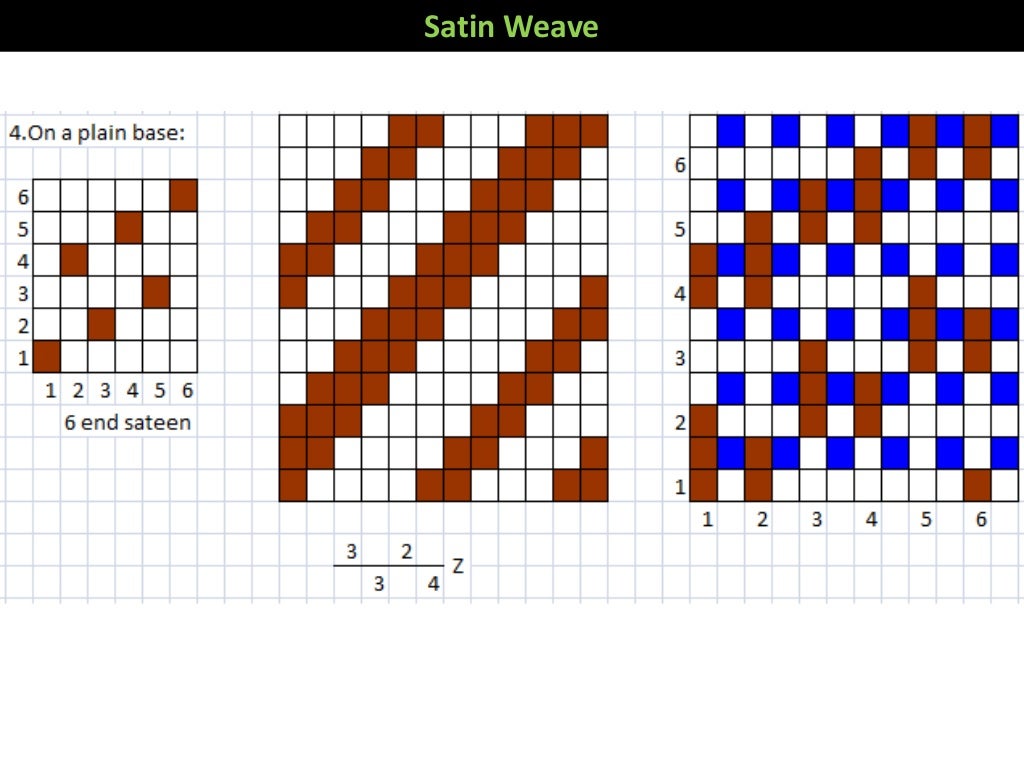
Satin weave

Fabric Satin Weave Type Sample. Weave Samples for Textile Education

Paper Satin Weave Paper Weave YouTube

Plain, Twill, and Satin Weave the Three Basic Weaves! Charu Creation
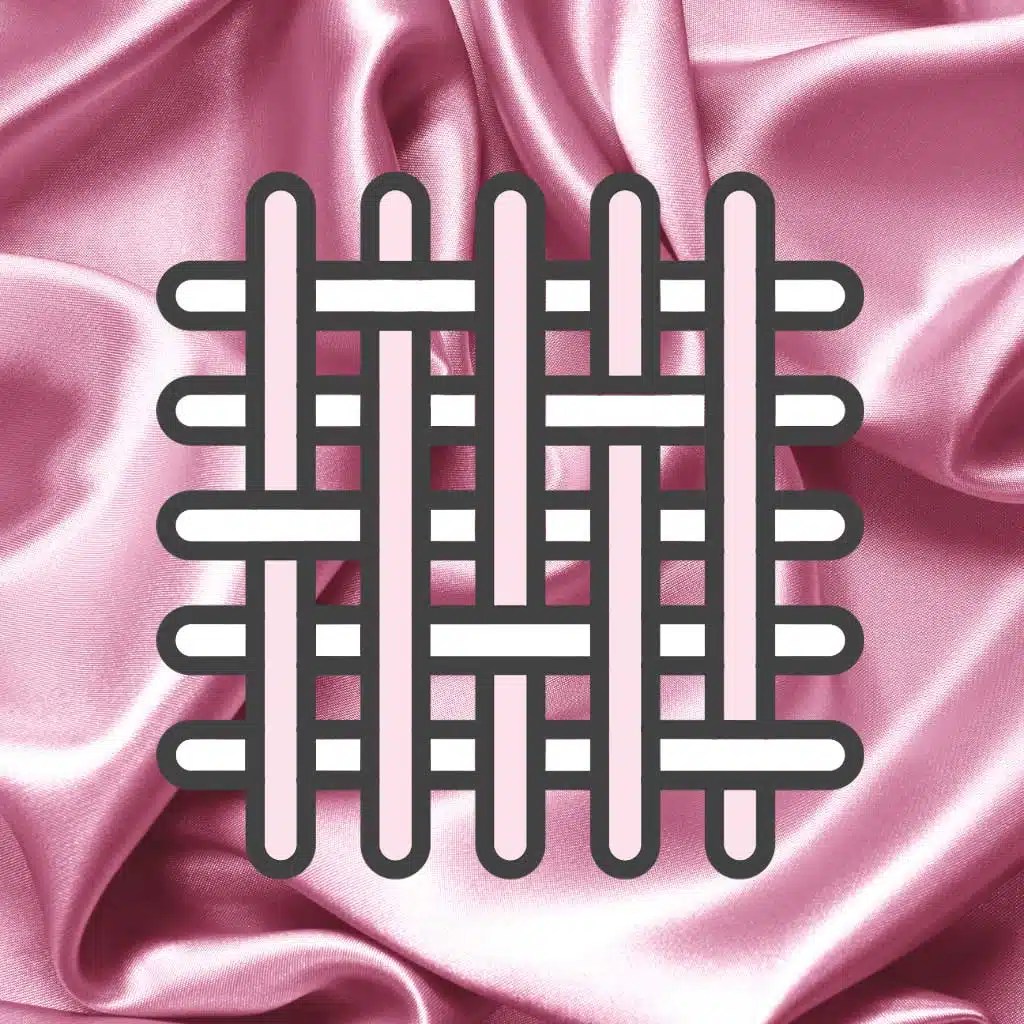
Satin Weave & What is Satin Fabric Uses & Types TREASURIE

Satin Weave & What is Satin Fabric Uses & Types TREASURIE

Basic Weave Patterns/ Designs Plain Weave Twill Weave Satin Weave

Satin Weave Diagram Oxford Weave Diagram Elsavadorla Weaving

Satin weave texture stock illustration. Illustration of mesh 12340980
It Is Not Durable, As It Tends To Snag.
Web Satin Weave Creates A Super Smooth Fabric That Has A Soft Hand And Drapes Well.
This Blog Post Will Explain The Different Weaves And Why They Are Used.
Satin Finds Its Use In Wedding Dresses, Evening Attire, And Many Other Things These Days, Such As.
Related Post: