
Step Through Gait Pattern
Step Through Gait Pattern - Support weight with crutches to assist injured leg. Lead with both crutches and injured leg. Push down on the handgrips as you step forward with your injured leg. Step through with uninjured leg advancing foot. Web walking with a single cane or crutch, or a pair of undearm or forearm crutches: As you place one foot down, lift the other, ensuring you. Push the frame forwards and start walking. Web step through gait pattern with rolling walker. Web gait is the pattern that you walk. Web move the crutches forward six to 12 inches. As you place one foot down, lift the other, ensuring you. Web step through gait pattern with rolling walker. Step through with uninjured leg advancing foot. Step through with uninjured leg advancing foot. Support weight with crutches to assist injured leg. Keep both hands on walker. Web walking with a single cane or crutch, or a pair of undearm or forearm crutches: Walking efficiently with the use of a rolling walker to improve balance and decrease pressure on weakened legs. Web gait is the pattern that you walk. Push the frame forwards and start walking. Stride is a whole gait cycle. Web gait cycle is a repetitive pattern involving steps and strides. Support weight with crutches to assist injured leg. Web step through gait pattern with rolling walker. Web gait is the pattern that you walk. Step through with uninjured leg advancing foot. Certain gait abnormalities are temporary and others require lifelong management. Step through with uninjured leg advancing foot. Lead with both crutches and injured leg. Web gait cycle is a repetitive pattern involving steps and strides. Certain gait abnormalities are temporary and others require lifelong management. Web gait cycle is a repetitive pattern involving steps and strides. Sometimes, an injury or underlying medical condition can cause an abnormal gait. Step through with uninjured leg advancing foot. Push the frame forwards and start walking. Web step through gait pattern with rolling walker. Put the designated weight on your injured leg. Web gait cycle is a repetitive pattern involving steps and strides. Web move the crutches forward six to 12 inches. Lead with both crutches and injured leg. Step through with uninjured leg advancing foot. Web move the crutches forward six to 12 inches. Certain gait abnormalities are temporary and others require lifelong management. Web gait is the pattern that you walk. Put the designated weight on your injured leg. Lead with both crutches and injured leg. Push the frame forwards and start walking. You may notice an abnormal gait if you drag your toes when you walk, take high steps or feel off balance when walking. Stride is a whole gait cycle. Web move the crutches forward six to 12 inches. Web walking with a single cane or crutch, or a pair of undearm or forearm crutches: Put the designated weight on your injured leg. Push the frame forwards and start walking. Walking efficiently with the use of a rolling walker to improve balance and decrease pressure on weakened legs. Step through with uninjured leg advancing foot. Push down on the handgrips as you step forward with your injured leg. Sometimes, an injury or underlying medical condition can cause an abnormal gait. Lead with both crutches and injured leg. As you place one foot down, lift the other, ensuring you. Step through with uninjured leg advancing foot. Web step through gait pattern with rolling walker. Web move the crutches forward six to 12 inches. Web gait is the pattern that you walk. Step through with uninjured leg advancing foot. Web gait cycle is a repetitive pattern involving steps and strides. Certain gait abnormalities are temporary and others require lifelong management. Web move the crutches forward six to 12 inches. Web gait is the pattern that you walk. Lead with both crutches and injured leg. Lead with both crutches and injured leg. As you place one foot down, lift the other, ensuring you. Sometimes, an injury or underlying medical condition can cause an abnormal gait. Support weight with crutches to assist injured leg. Push down on the handgrips as you step forward with your injured leg. Web gait is the pattern that you walk. You may notice an abnormal gait if you drag your toes when you walk, take high steps or feel off balance when walking. Certain gait abnormalities are temporary and others require lifelong management. Web gait cycle is a repetitive pattern involving steps and strides. Put the designated weight on your injured leg. Lead with both crutches and injured leg. *may be used for partial weight bearing (50% of weight on inju. Push the frame forwards and start walking. Web walking with a single cane or crutch, or a pair of undearm or forearm crutches: Keep both hands on walker. Lead with both crutches and injured leg. Step through with uninjured leg advancing foot.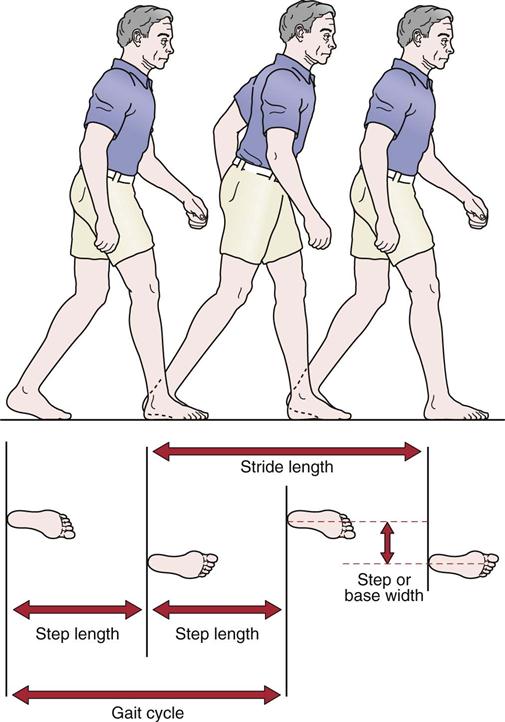
Assessment of Gait Musculoskeletal Key

2 Visual illustration of gait phases and the correponding terminology
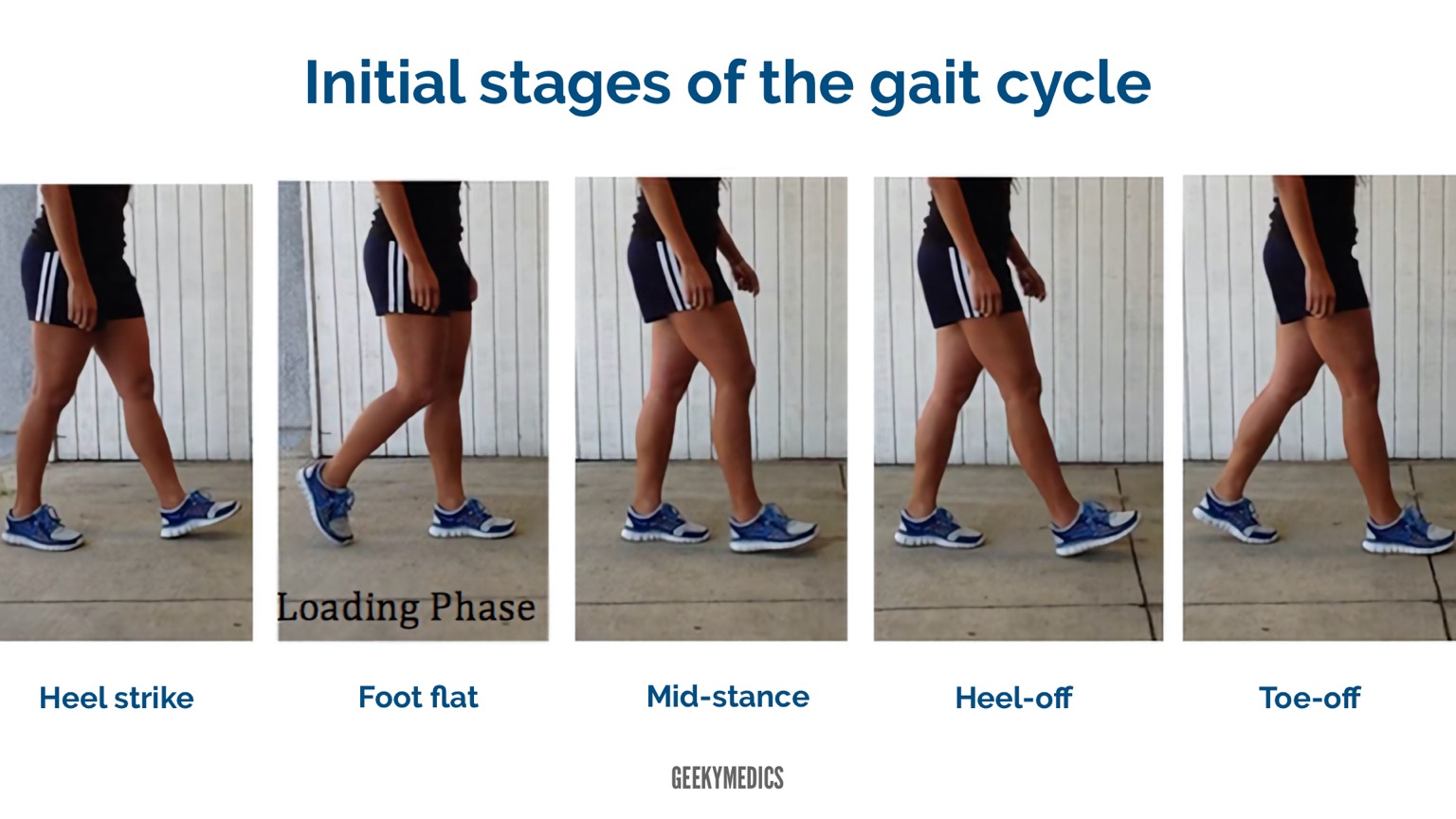
Gait Abnormalities Geeky Medics

(A) A typical gait pattern throughout a onestep cycle with the RGTW
Running Gait Cycle

Typical plot of knee angle as measured by Anklebot vs. phase ( of gait
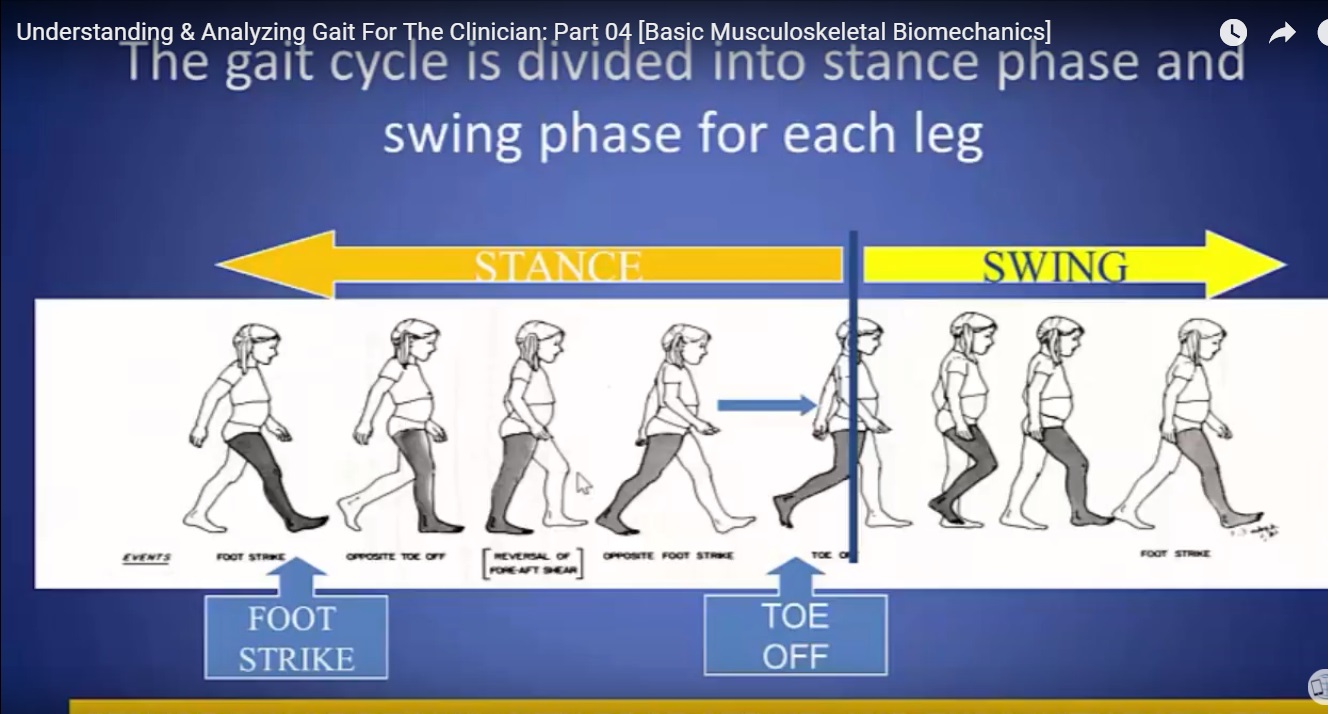
Understanding and Analyzing Gait For The Clinician
![Human gait cycle showing stance and swing phase [58]. Download](https://www.researchgate.net/profile/Wei_ping_Loh2/publication/329899286/figure/fig2/AS:793557501763587@1566210260524/Human-gait-cycle-showing-stance-and-swing-phase-58.png)
Human gait cycle showing stance and swing phase [58]. Download
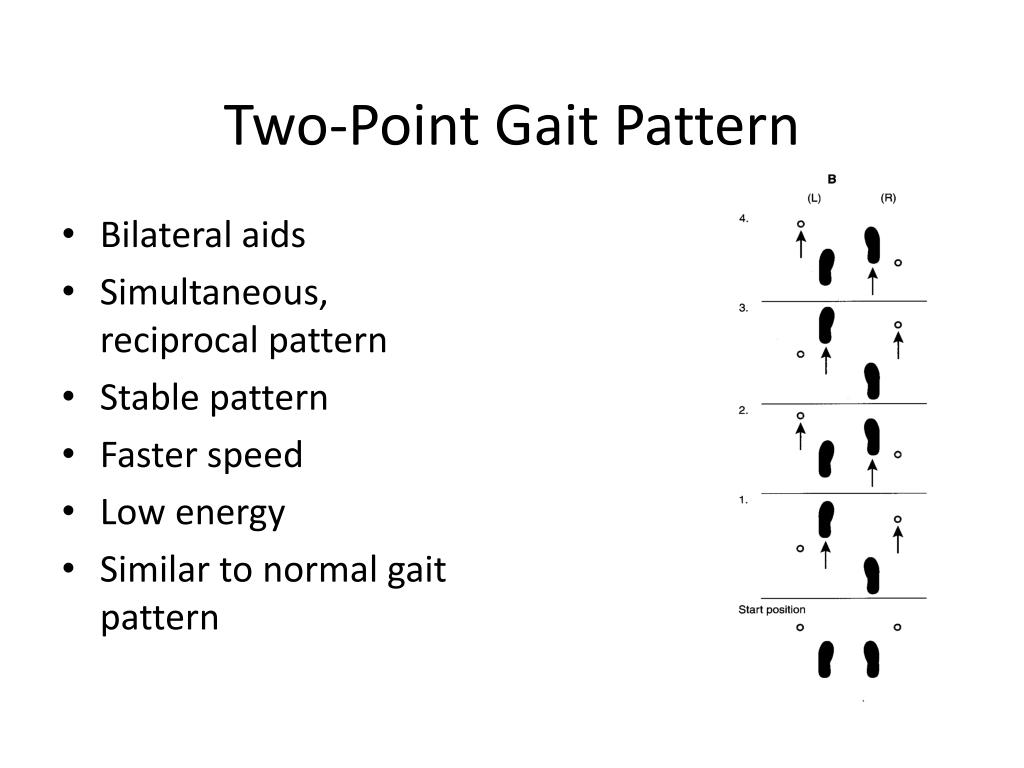
PPT Ambulation Aids Normal Gait and Abnormal Gait PowerPoint
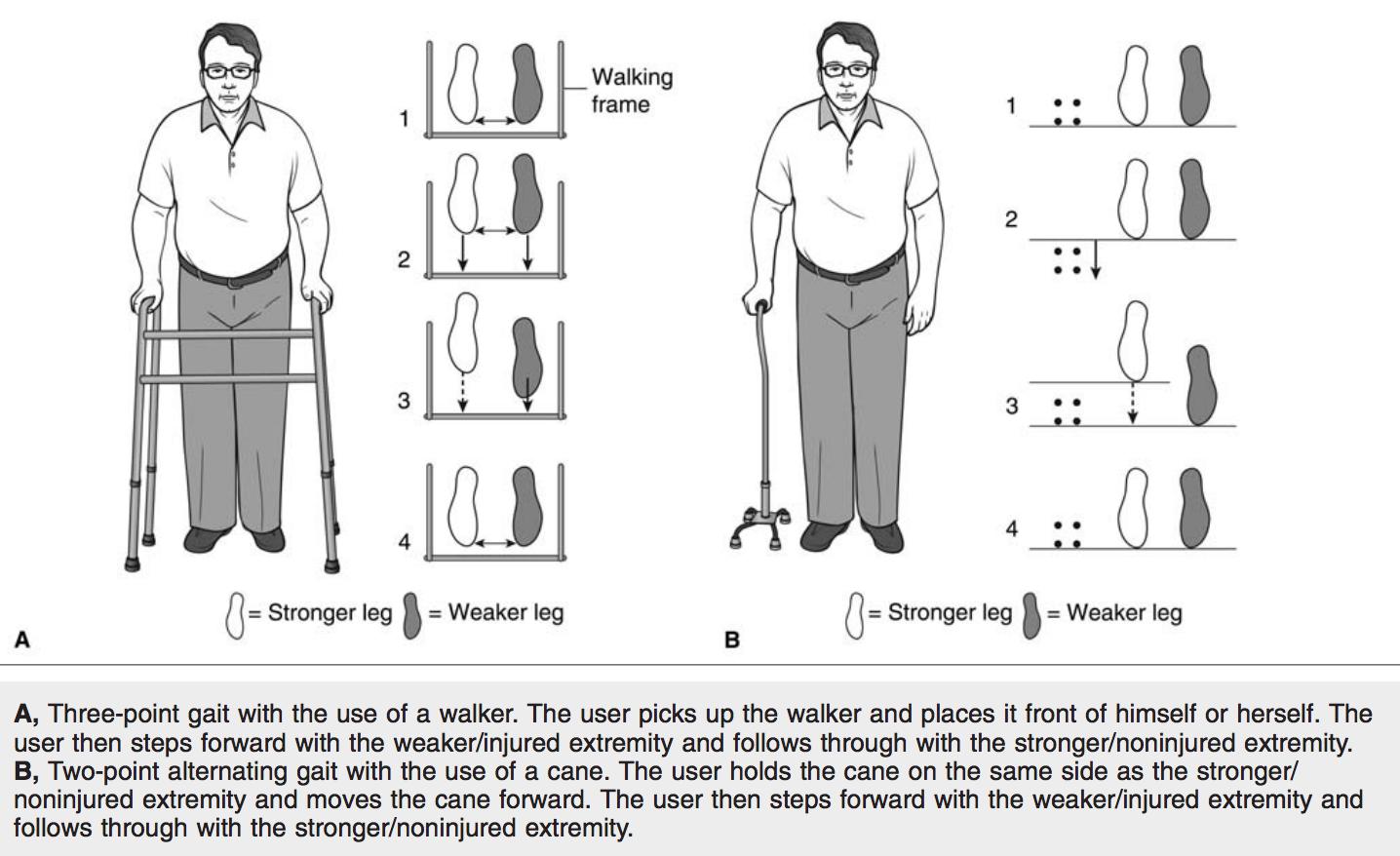
Rehab & Prosthetics Basic Science Orthobullets
Step Through With Uninjured Leg Advancing Foot.
Walking Efficiently With The Use Of A Rolling Walker To Improve Balance And Decrease Pressure On Weakened Legs.
Web Move The Crutches Forward Six To 12 Inches.
Stride Is A Whole Gait Cycle.
Related Post: